Marta’s nonna’s pizza

Pizza recipe.
Instructions for 4 pizze
Ingredients:

  • Half a liter of water
  • 800g Flour (I use 00, you can also do 90% 00 type, 10% 0 type)
  • 25 grams is the recommended portion, but it really depends on how salty you like it (I stick
    to 25 g.)
  • 25 grams olive oil
  • 2 grams brewer’s yeast
    Recipe:
    Make sure the salt is really well melted in the water, and the yeast well mixed among the flour (this
    is really important as it impacts the final leavening).
    Start gradually adding the flour/yeast mix in the bowl with water and salt and start to knead.
    When you start to see a single ‘’ball’’ of dough, add the olive oil while you keep kneading
    Once all ingredients have been mixed, remove the dough from the bowl and knead for roughly 20
    minutes on a plain surface, adding small quantities of flour here and there, so the flour won’t stick to
    the surface. After this, let the dough rest for 20 minutes in a single ‘’ball’’. After these 20 minutes,
    divide it in smaller pieces, of roughly 300 grams each, and let it rest while covered by a humid
    kitchen cloth for 6/9 hours (the longer you leave it, the lighter it will be to eat/digest).
    After the leavening, put the pizza in the oven once it is already hot at its maximum temperature. It
    will be ready when you see the side of the dough becoming darker (takes 5/7 minutes with my
    oven).
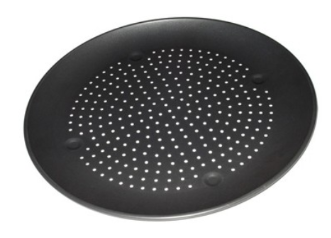
    Also, I don’t know if you own it, but my pizza started to come out way nicer since I started to use a
    holed baking tray like this:
Posted in Cocina | Leave a comment

Easy Homemade Cupcakes

Description

This Easy Homemade Vanilla Cupcakes Recipe makes perfectly moist, completely irresistible cupcakes! These light and fluffy cupcakes are topped with creamy vanilla buttercream and topped with sprinkles for the ultimate sweet treat.


Ingredients

Vanilla Cupcakes

  • 1 1/4 cups (163g) all-purpose flour
  • 1 1/4 tsp baking powder
  • 1/4 tsp salt
  • 6 tbsp (84g) unsalted butter, room temperature
  • 3/4 cup (155g) sugar
  • 2 tbsp (30ml) vegetable oil
  • 1 1/2 tsp vanilla extract
  • 2 large eggs
  • 1/2 cup plus 2 tbsp (150ml) milk

Vanilla Buttercream Frosting

  • 1 cup (224g) unsalted butter, room temperature
  • 4 cups (460g) powdered sugar
  • 1 ½ tsp vanilla extract
  • 2–3 tbsp (30-45ml) water or milk
  • Pinch or two of salt

Instructions

Vanilla Cupcakes

  1. Preheat oven to 350°F (176°C) and prepare a cupcake pan with cupcake liners.
  2. Combine the flour, baking powder and salt in a medium sized bowl and set aside.
  3. Add the butter, sugar, oil and vanilla extract to a large mixer bowl and beat together until light in color and fluffy, about 2-3 minutes. Do not skimp on the creaming time.
  4. Now it’s time to add the eggs. Add the eggs one at a time, mixing until mostly combined after each. Scrape down the sides of the bowl as needed to be sure all ingredients are well incorporated.
  5. Add half of the dry ingredients to the batter and mix until mostly combined.
  6. Slowly add the milk and mix until well combined. The batter will look curdled, but that’s ok.
  7. Add the remaining dry ingredients and mix until well combined and smooth. Scrape down the sides of the bowl as needed to be sure all ingredients are well incorporated. Do not over mix the batter.
  8. Fill the cupcake liners about 3/4 full and bake for 15-18 minutes or until a toothpick inserted into the center comes out clean.
  9. Remove cupcakes from the oven and place on a cooling rack to cool.

Vanilla Buttercream Frosting

  1. Add the butter to a large mixer bowl and beat until smooth.
  2. Carefully pour in about half of the powdered sugar and mix until smooth and well combined.
  3. Add the vanilla extract and 1-2 tablespoons of the water or milk and the salt to the frosting and mix until well combined.
  4. Add the remaining powdered sugar and mix until smooth. Add additional milk or water as needed to get the right consistency.
  5. Pipe the frosting onto the cupcakes. I used Ateco tip 844.
  6. Cupcakes are best when stored well covered for 2-3 days.
Posted in Cocina | Leave a comment

Buccino 1878

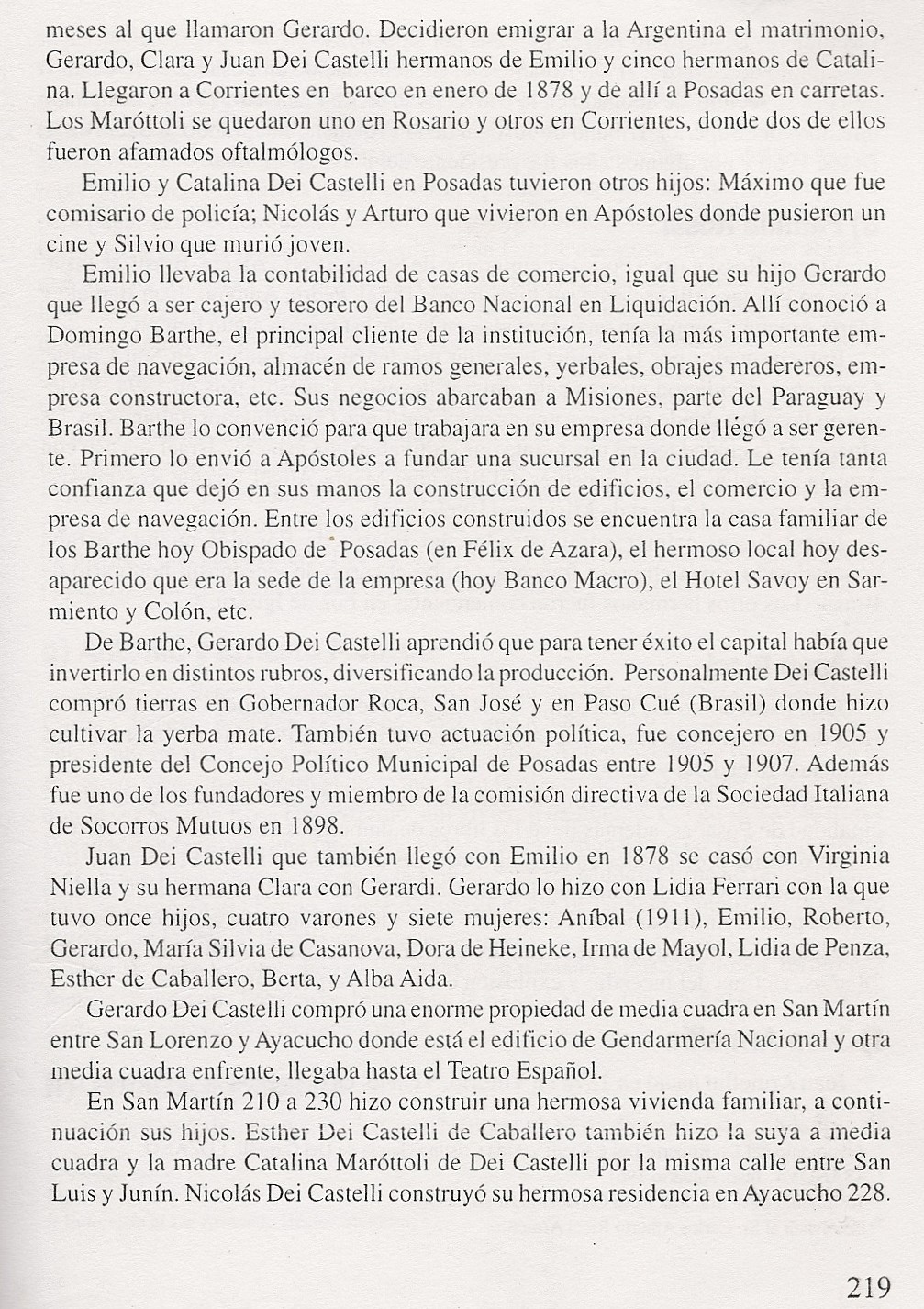
Basado en la unica informacion desponible llegamos a situar el origen de la familia en el pueblo de Buccino, al sur de Italia.

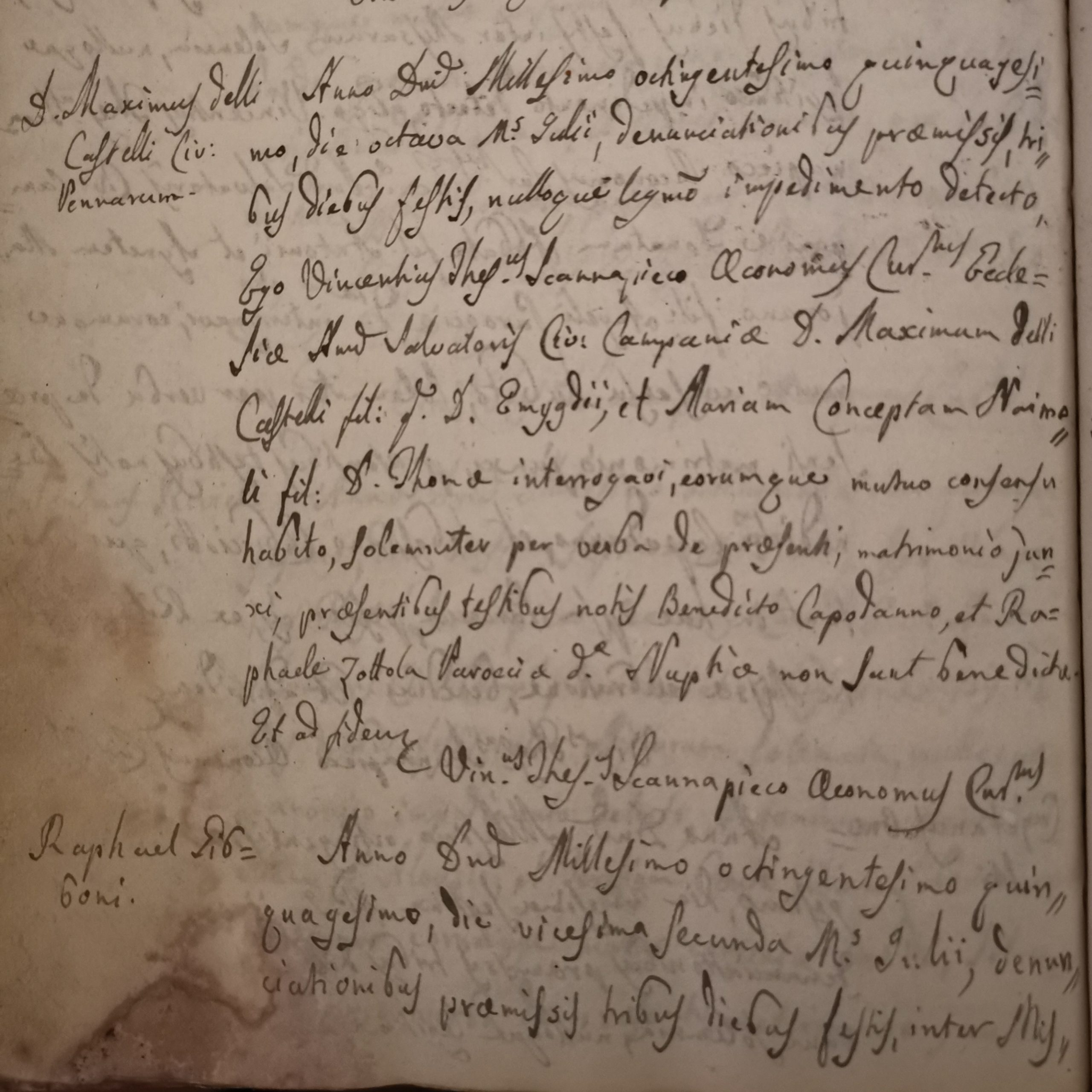
Durante la pandemia covid de 2020, encontramos en un portal italiano, el acta de Matrimonio de Emilio y Catalina Marottoli, y ahi se lanza la busqueda encontrando el registro de nacimiento.

En estos 2 documentos encontramos algunos datos importantes.

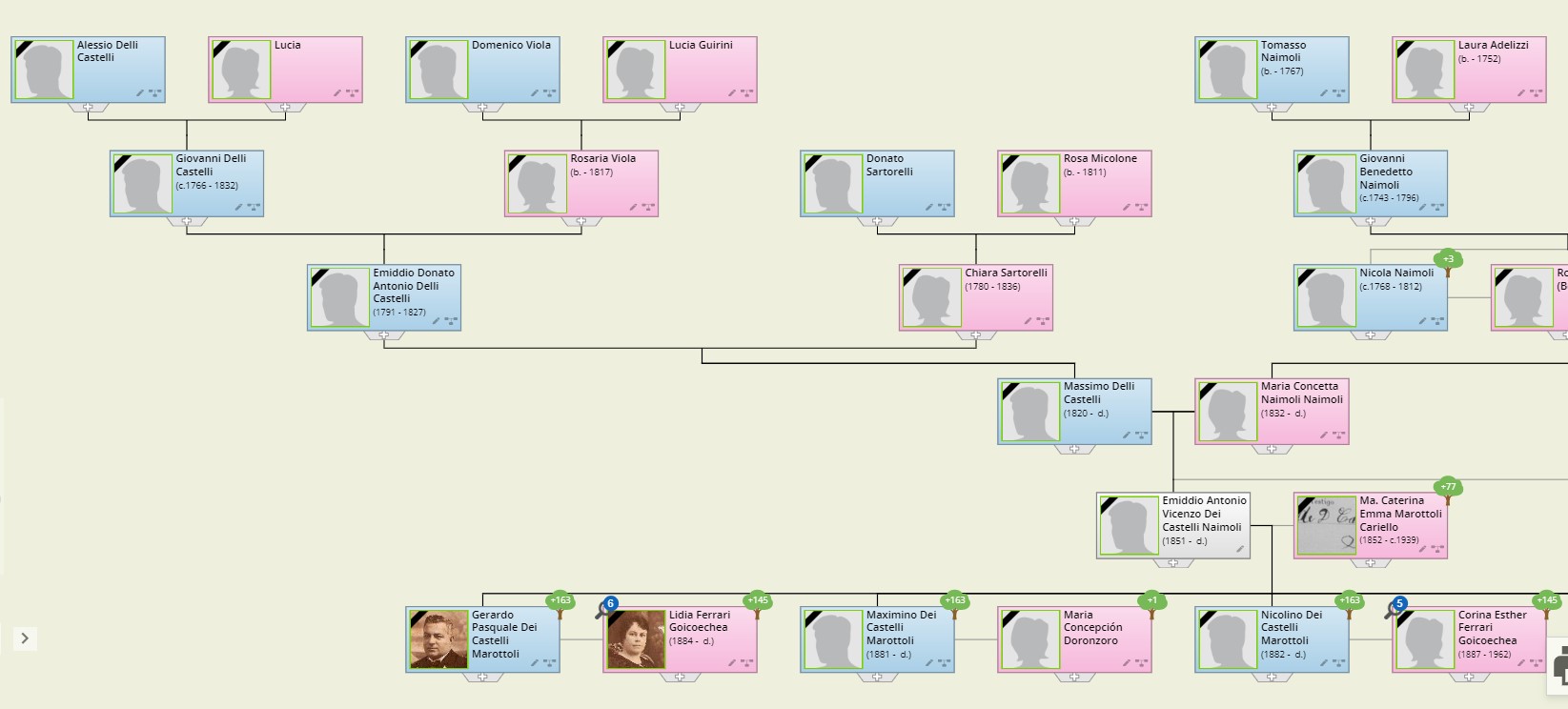
Emilio Dei Castelli era segun la entrada oficial “Del Castello Emiddio Antonio Vicenzo” nacido en Campagna, hijo di Massimo. Tambien vemos que mas abajo firma: Del Castelli….

En el acta de nacimiento de Pasquale tambien firma como Del Castelli aunque figura como Del Castello y donde dice “di Massimo” quiere decir, hijo de Massimo. Ocupacion, Barbiere (Peluquero).

Con este dato me puse a buscar en el mismo portal, los documentos de Campagna. Busque fechas 1850-1851 para nacimiento de Emiddio segun la estimacion de los documentos y tambien registros de cualquier Del Castello, Del Castelli, etc que pudiera aparecer en campagna. Nada. Faltan muchos libros y no pude encontrar el dato asique perdi el rastro ahi, aunque pude juntar muchos Naimolis (lado Marterno de Emiddio).

Con un viajecito a Italia, me contacte con un cura local que sin dudarlo se puso a ayudar. Ahi encontramos un par de documentos mas:

ojo la fecha, en el registro siguiente se lee bien el año Millesimo octingentésimo quincuagésimo primo

De estos ultimos documentos llegamos a la conclusion de que Massimo, padre de Emiddio viene de Penne, Abruzzo, en la provincia de Pescara.

Segun el cura, mucha gente se acercó a Campagna en esa epoca para hacer negocios.

Con este dato, pude entonces encontrar sus padres en Penne y 2 generaciones mas arriba ya que en los libros de matrimonio los padres de Massimo menciona hasta los abuelos.

Ahora, con mas info, pude encontrar un libro de Campagna donde recolecta toda la documentación antes del matrimonio de Massimo Delli Castelli con Maria Concepta Naimoli:
https://www.antenati.san.beniculturali.it/detail-registry/?s_id=731608 pag 798 en adelante

Ahi pude ver que Massimo perdió su padre a los 7 años y su madre a los 16. Lo que también podría explicar porque no pude encontrar hermanos en Penne y la libertad de ir a buscar nuevos rumbos a 300km de su ciudad natal. En los mismos documentos figura su ocupación pero no es legible por posible daño con agua.

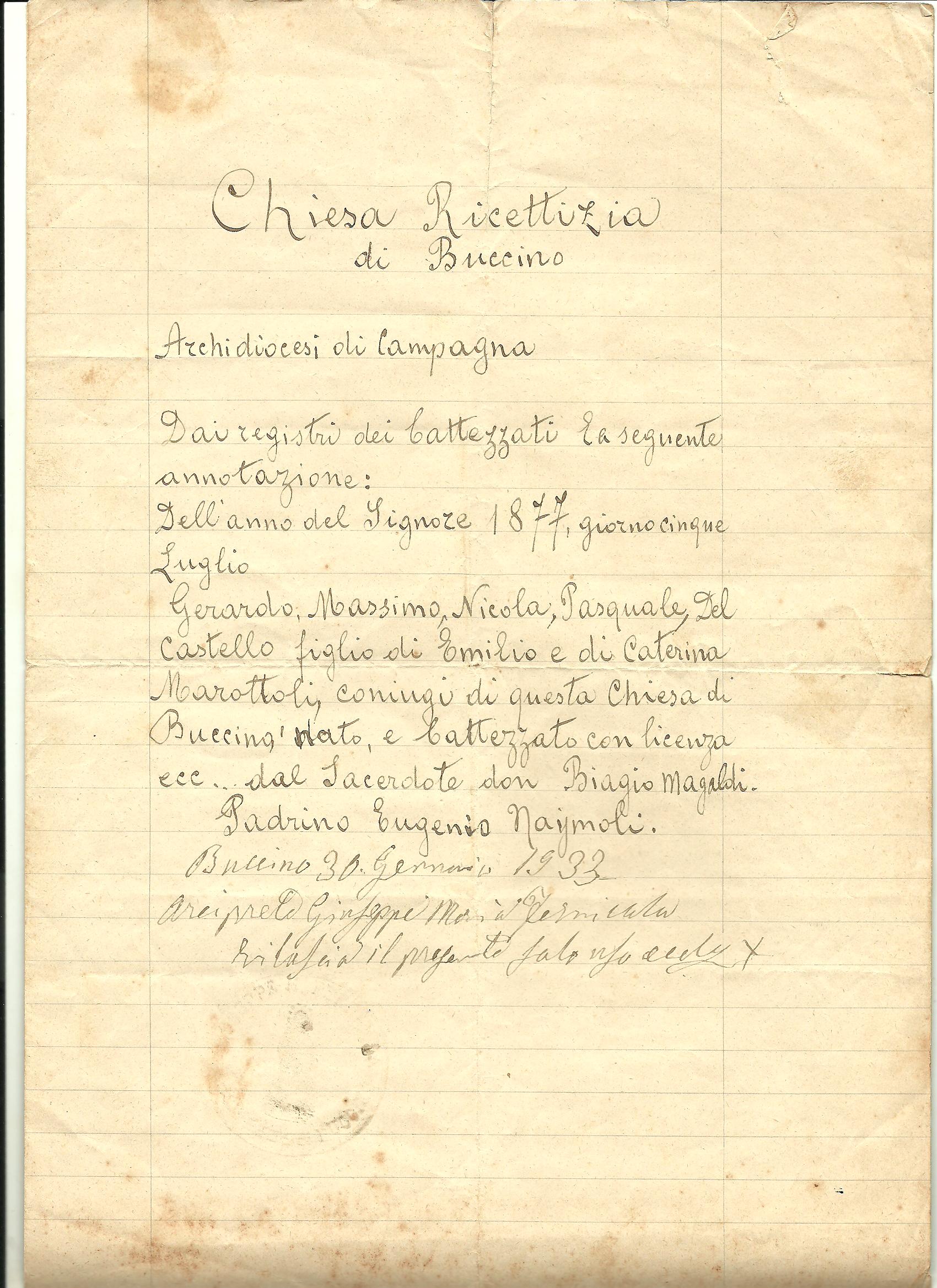
Ahora por si fuera poco, acabo de encontrar que ya tenia en un viejo email un acta de bautismo de Pasquale Del Castello. En la misma se ve el nombre completo: Gerardo, Massimo, Nicola, Pasquale Del Castello.

El ultimo Dei Castelli nacido en Italia antes de viajar a Argentina.

Ahora falta ubicar a Juan y Clara Dei Castelli, hermanos de Emiddio y de los que no pude encontrar registros de nacimiento en Campagna y no se los menciona mas en los libros.

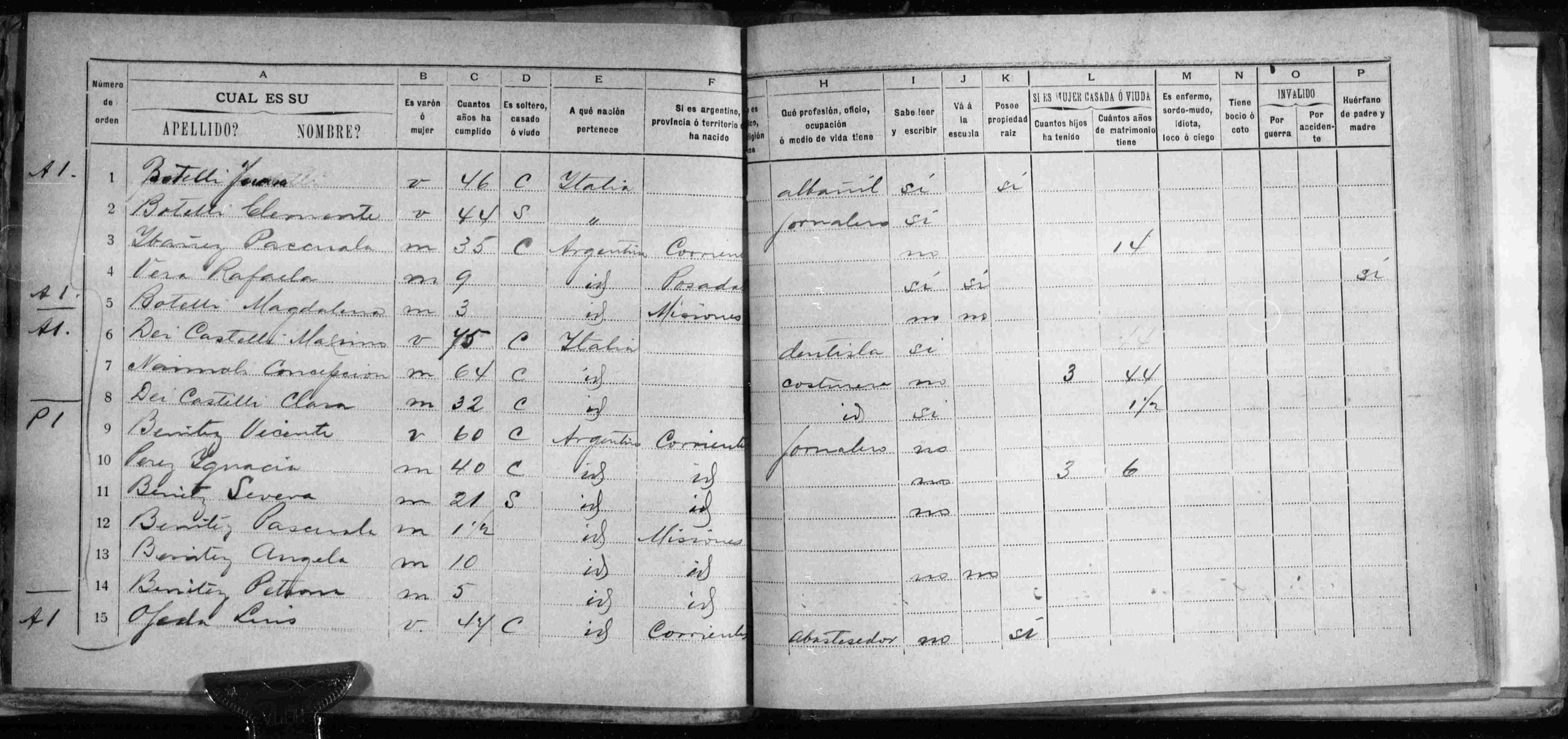
(actualización Abril 2023) Estando en Buenos Aires y explorando otras páginas web, pude encontrar un registro del censo de Posadas en 1895 donde figuran:
– Máximo Dei Castelli de edad 75 y profesion dentista.
– Concepción Naimoli, de edad 64, costurera, madre de 3 hijos que no sabe leer/escribir
– Clara Dei Castelli, de edad 32, costurera que sabe leer/escribir.

Segun historias familiares, Juan Dei Castelli nunca se caso y Clara, enviudo joven y sin hijos.

Lugares de nacimiento:

  • rama mas baja, Gerardo Pasquale en Buccino, el resto en Posadas.
  • siguiendo hacia arriba, Emiddio en Campagna y la familia Marottoli toda de Buccino.
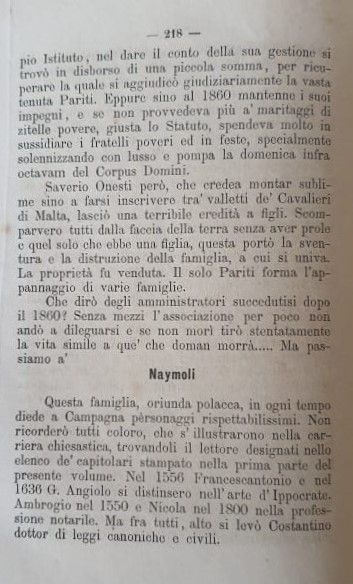
  • Luego, Massimo (1820-xxxx) nacido en Penne, residente de Campagna. Familia Naimoli, toda de Campagna. Ver historia mas abajo (en Italiano)
  • De Emiddio Donato Delli Castelli hacia arriba, todos de Penne.

Arbol completo:

https://www.geni.com/family-tree/index/6000000026246575462

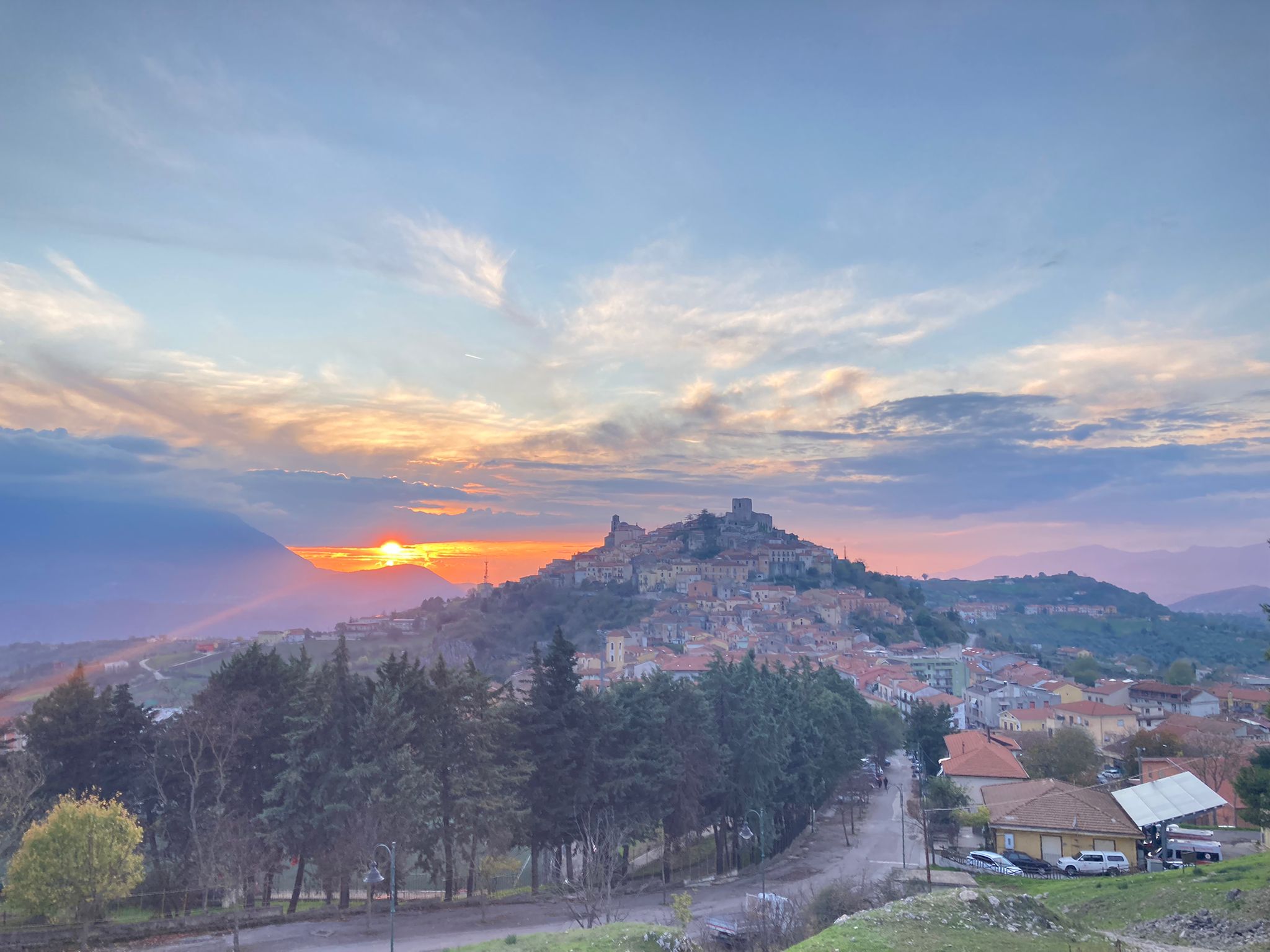
Buccino o antiguamente Volcei – Sobre la montaña.
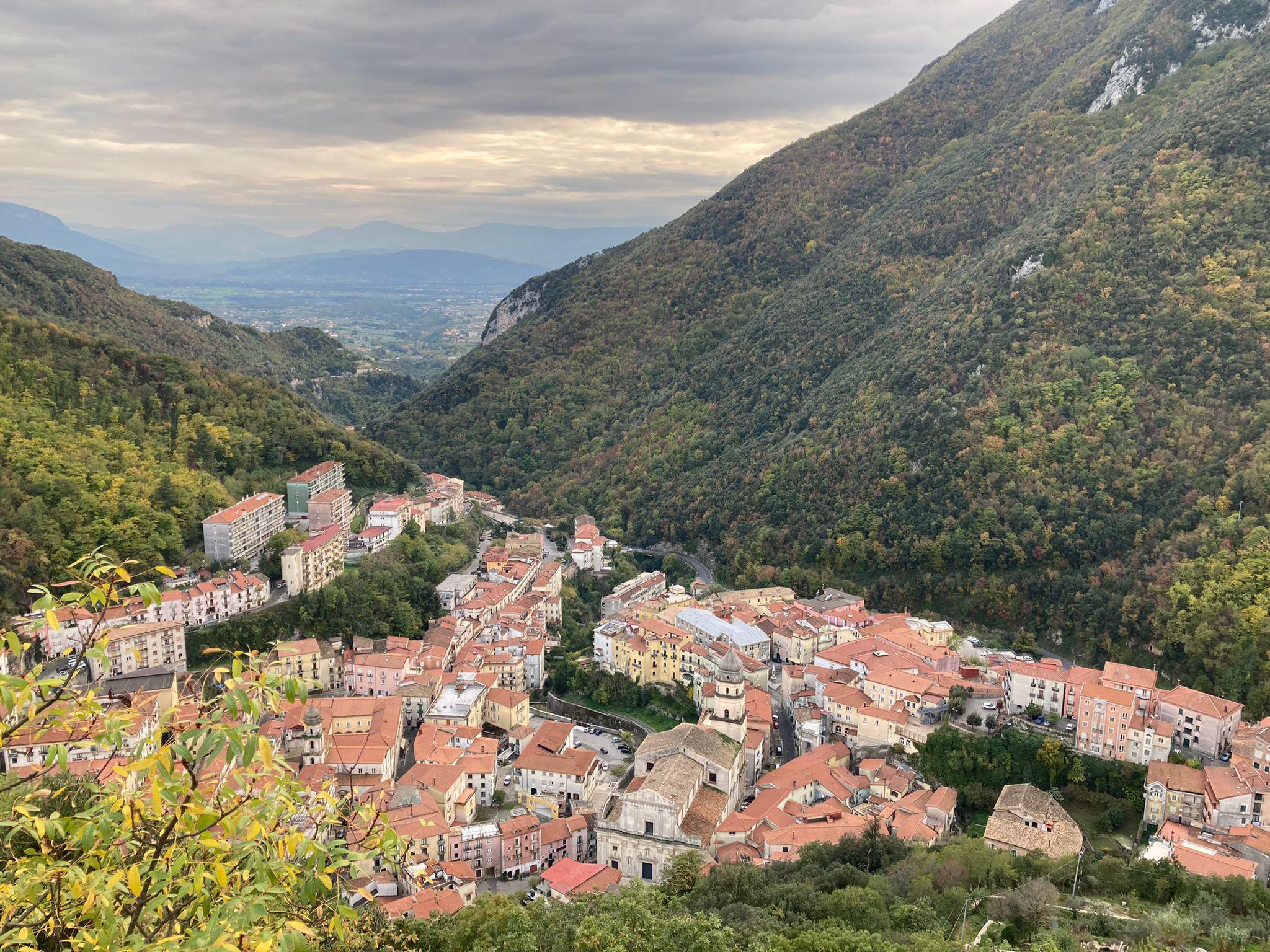
Campagna
Posted in General | Comments Off on Buccino 1878

Canon RP configuration

42 Steps to the Perfect Canon EOS RP Setup

Upon being handed a Canon EOS RP to evaluate, I immediately set up the camera for use. Following are the 42 steps I took to make an out-of-the-box EOS RP ready for use.


Canon EOS RP with RF 24-105mm F4 L IS Lens


  1. Open the box, find the battery, place it in the charger and plug it in.
  2. While the battery is charging, unpack the other items you want from the box.
  3. Download and install the Canon Solution Disk software on your computer, gaining support for the latest camera(s). Canon Digital Photo Pro (DPP) and EOS Utility are the options I manually include in the install.
  4. Attach the neck strap.
  5. Insert the battery (after charging completes) and power the camera on.
  6. The date, time and timezone setup screen will show at the first startup. Use the rear cross keys and set button to update this information.
  7. Insert a memory card (don’t forget to format the card via the tools menu option before taking pictures).
  8. Set the camera’s mode to Av, Tv or M (some modes provide only a small subset of available menu options).
  9. Scroll through all of the menu tabs to configure the camera as follows:
  10. Shooting Menu, Tab 1: Image quality: Use top dial to set RAW to “RAW” and Cross Keys to set JPEG to “-” (RAW image files provide the highest quality and are especially valuable for post processing work)
  11. Shooting Menu, Tab 1: Image review: 4 sec. (or sometimes off to increase shooting speed in the field)
  12. Shooting Menu, Tab 1: Release shutter without card: Disable (only in a retail store do you want to press the shutter release without saving the image file)
  13. Shooting Menu, Tab 2: Lens Aberration Correction: All options “OFF” (though Chromatic Aberration correction is a good option to leave enabled for most)
  14. Shooting Menu, Tab 3: Photo ISO speed settings: ISO speed range: L(50) – H2(102400) (settings used for testing, adjust to your tolerance)
  15. Shooting Menu, Tab 4: White balance: AWB W (White) (I seldom use another white balance setting while shooting, though I often adjust modestly during post processing)
  16. Shooting Menu, Tab 4: Picture Style: Neutral with Strength = 1 (Note: the low contrast “Neutral” picture style provides a histogram on the back of the camera that most-accurately shows me blown highlights and blocked shadows on the camera LCD. I usually change the Picture Style to “Standard” in DPP after capture.)
  17. Shooting Menu, Tab 5: Long exp. noise reduction: Auto (when active, LENR captures a dark image that is used to correct the long exposure noise in the primary image)
  18. Shooting Menu, Tab 5: High ISO speed NR: Off (or Low) (noise reduction is destructive to images details – I prefer to add noise reduction sparingly during post processing)
  19. Shooting Menu, Tab 6: High speed display: ON (note that the camera must be set to Servo AF and high speed continuous frame rate to enable this option)
  20. Shooting Menu, Tab 7: Touch & drag AF settings: Touch & drag AF: Enable (allows a thumb drag across the rear LCD to quickly move the AF point while looking through the electronic viewfinder)
  21. Playback Menu, Tab 4: Playback information display: 1 and 3 enabled (avoids too many playback information options)
  22. Playback Menu, Tab 4: Highlight Alert: Enable (causes overexposed pixels to blink)
  23. Playback Menu, Tab 4: Playback grid: 3×3 (sometimes helps with checking alignment)
  24. Playback Menu, Tab 4: Magnificatn (apx): Actual size (from selected pt) (allows one button press during playback to zoom deeply into the image)
  25. Tools Menu, Tab 1: Auto Rotate: On computer (only) (images are properly rotated when viewed on a computer, but are always oriented to fill the LCD when viewed on the camera)
  26. Tools Menu, Tab 1: Mode guide: Disable (useful for beginners)
  27. Tools Menu, Tab 1: Feature guide: Disable (useful for beginners)
  28. Tools Menu, Tab 3: Beep: Disable (probably no one wants to hear you beeping camera setting changes or focus confirmation)
  29. Tools Menu, Tab 4: Shooting info. display: Screen info. settings: Enable 1 (press Info, disable basic shooting info and enable Electronic level), 3 and 4
  30. Tools Menu, Tab 4: Shooting info. display: VF info/toggle setting: Enable 1, (press Info, disable Detailed shooting info and Histogram disp, enable Electronic level) and 3 (press Info, disable Detailed shooting info, enable Histogram disp and Electronic level)
  31. Tools Menu, Tab 4: Shooting info. display: Grid display: 3×3 (sometimes helpful for alignment checking)
  32. Tools Menu, Tab 4: Shooting info. display: Histogram disp: Brightness/RGB: RGB, Display size: Small (I want to see the brightness levels of each channel separately and don’t want the graph to take up much space in the display)
  33. Tools Menu, Tab 6: Custom shooting mode (C1 – C3): Auto update set: Enable
  34. Tools Menu, Tab 6: Copyright information: enter as desired
  35. Custom Functions Menu, C.Fn I: Exposure: 3: Bracketing auto cancel: OFF (I want to control when AEB (Auto Exposure Bracketing) is enabled and disabled)
  36. Custom Functions Menu, C.Fn I: Exposure: 4: Bracketing sequence: -0+ (if images are captured in brightness sequence, they are easier to work with during post processing. Capturing the darkest image first means that I quickly get at least the first frame)
  37. Custom Functions Menu, C.Fn II: Autofocus: 6: Orientation linked AF point: 1:Separate AF pts: Pt only (instructs camera to individually save the selected AF points for vertical and horizontal orientation)
  38. Custom Functions Menu, C.Fn III: Operation/Others: 4: RF lens MF focus ring sensitivity: Linked to rotation degree (I do not like most variable speed AF rings)
  39. Custom Functions Menu, C.Fn III: Operation/Others: Customize buttons: Up, Down, Left and Right buttons: Direct AF point selection
  40. Custom Functions Menu, C.Fn III: Retract lens on power off: OFF (avoids having a carefully-selected focus distance resetting when camera auto powers off)
  41. My Menu: Add the first tab; Register the following options for Tab 1: Format card, Image review (disable when speed is needed), Expo. simulation, Long exposure noise reduction, Date/Time/Zone (great for monitoring what time it is), Expo.comp./AEB (found back up near the top of the list) (nothing in my My Menu is found on the Quick Control display as those functions are already quickly accessed)
  42. With a lens mounted and a subject focused on, adjust the viewfinder diopter until the scene is sharp

Many other menu and other setting changes are made based on the current shooting scenario, but this list covers my initial camera setup process.

To copy this configuration would mean that you intend to shoot similar to how I shoot – including shooting in RAW-only format. While my setup works great for me, your best use of this list may be for tweaking your own setup.

If you can’t remember your own menu setup parameters, keeping an up-to-date list such as this one is a good idea. Anytime your camera is reset-to-factory state for some reason, such as when being serviced, you will be ready to restore your setup quickly while ensuring that you do not miss an important setting. If you purchase another same or similar camera, you will be able to quickly set it up.

Posted in IT | Leave a comment

Health effects of astaxanthin

Health effects of astaxanthin have been long studied
To date, there are more than 1,000 peer-reviewed publications studying the health effects of astaxanthin.
Robin Koon https://www.naturalproductsinsider.com/ingredients/health-effects-astaxanthin-have-been-long-studied | Aug 13, 2018

Carotenoids belong to the category of lipid-soluble terpenes (as a tetraterpenoid) compounds. There are more than 1,100 known carotenoid compounds, and they are split into two classes: carotenes (which are unoxygenated and include α-carotene, β-carotene and lycopene) and xanthophylls (which contain oxygen), such as astaxanthin, canthaxanthin, lutein and zeaxanthin. Carotenoids are found in high concentrations in plants, algae and microorganisms. Humans cannot synthesize them and therefore are required to ingest them in their diet. The carotenoids that have been most studied for human health include astaxanthin, beta-carotene, lycopene, lutein and zeaxanthin.

Astaxanthin (AX)

Empirical formula: C40H52O4

Molecular weight: 596.84 g/mol (molar mass)

Astaxanthin, a deep reddish-orange color compound, was first identified and isolated in 1938 by Richard Kuhn. He had a laboratory on the Neckar River (Germany). When studying lobsters to determine what gave them their color, he named the carotenoid astaxanthin—“asta” (from Astacus gammarus, the scientific name for lobster) and “xanthin” (from xanthophyll, which is the class in which astaxanthin belongs). Kuhn was awarded the 1938 Nobel Prize in Chemistry for his work on carotenoids and vitamins.

Astaxanthin possesses two identical asymmetric atoms at C-3 and C-3’ making possible for three optical isomers (with all-trans configuration) to exist on the molecular chain: (3S,3’S), (3R,3’S) and (3R,3’R). Two of the stereoisomers (3S,3′S) and (3R,3′R) are the most abundant in nature.

There are two forms of astaxanthin: free and esterified. Astaxanthin may be esterified with different fatty acids, such as palmitic, oleic, stearic or linoleic acid; it may also be free (with non-esterified hydroxyl groups), but this makes it much more unstable and susceptible to oxidation. The esterified form is reportedly the most predominant in nature and sold commercially; however, the free form can also be found.1 Regardless of which form is ingested, only the free form is found in human blood.2,3,4

Commercial astaxanthin is mainly derived from three sources: Xanthophyllomyces dendrorhous (yeast, formerly called Phaffia rhodozyma), Haematococcus pluvialis (microalgae) and through chemical synthesis (synthetic). Phaffia produces mainly the (3R,3′R)-isomer; H. pluvialis biosynthesizes the (3S,3′S)-isomer; and synthetic astaxanthin comprises a racemic mixture of isomers (3S,3′S) (3R,3′S) and (3R,3′R) typically in 1:2:1 ratios.

Natural astaxanthin is a carotenoid produced naturally in microalgae, yeast, bacteria and fungi, and found in microalgae, yeast, salmon, trout, krill, lobster, shrimp, crayfish and crustaceans. In the aquatic environment, microalgae are consumed by zooplankton, insects or crustaceans, which accumulate astaxanthin and, in turn, are ingested by fish.

Synthetic production of astaxanthin is not preferred in some cases because synthetic astaxanthin contains a racemic mixture of stereoisomers. It is produced chemically (synthesized by combining isophorone and C10-dialdehyde together in several reactive steps). Synthetic astaxanthin is non-esterified, whereas astaxanthin in algae is always esterified.

Astaxanthin is primarily used as a dietary supplement for human consumption and as a feed supplement (pigmentation/colorant) for salmon, crabs, shrimp, chickens and egg production. Astaxanthin cannot be produced by humans; it must be ingested via diet or supplementation, like the other carotenoids.

To date, there are more than 1,000 peer-reviewed papers published in scientific journals studying the health effects of astaxanthin. Most research studies to date have used dosages between 2 mg and 24 mg daily.

Antioxidant

Astaxanthin is a very strong antioxidant. The unique structure of astaxanthin allows it to span biological membranes and act as an antioxidant by reducing free radicals, therefore stabilizing them.5,6 Astaxanthin as an antioxidant is 550 times stronger than vitamin E in singlet oxygen quenching.7

Astaxanthin also improves plasma lipid antioxidant activity; the levels of blood plasma 12- and 15-hydroxy fatty acids lipids were reduced statistically and significantly in the astaxanthin group.8

Antihypertensive, Neuroprotective Effects

In a double-blind, placebo-controlled study conducted in Japan, 20 healthy postmenopausal women who ingested 12 mg/d astaxanthin for four weeks experienced reductions of systolic and diastolic blood pressure by 7 percent and 4 percent, respectively.9

Anti-inflammatory

Astaxanthin’s anti-inflammatory properties are closely related to its antioxidant activity.

Among benefits, astaxanthin has shown its ability to reduce levels of C-reactive protein (CRP), a marker of inflammation in the body. The study showed a correlation between daily use of astaxanthin for eight weeks and significantly lowered CRP compared to placebo.10 One ongoing project at the University of Eastern Finland in Kuopio investigated the effect of astaxanthin supplementation on lipid peroxidation. The astaxanthin group had a significant drop in the levels of hydroxy fatty acids (which increase inflammation) as compared to the placebo group. Further, astaxanthin decreased oxidative stress and inflammation and enhanced immune response in humans.11

Diabetic Nephropathy

Results from a study published in 2004 in BioFactors showed a lower level of blood glucose in diabetic mice treated with astaxanthin than in a non-treated group; the antioxidative activity of astaxanthin reduced stress on the kidneys and prevented renal cell damage.12 The researchers concluded astaxanthin may be useful in preventing diabetic nephropathy.

A 2009 study, published in the Journal of Agricultural and Food Chemistry, reported the benefits of astaxanthin for diabetics. The study showed the antioxidant power of astaxanthin can protect cells against oxidative damage caused by high glucose (sugar) levels. High blood sugar levels and oxidative stress are associated with complications common among diabetics, including kidney disease, neuropathy (nerve damage) and diabetic retinopathy (vision problems).13

Skin/Sun Protection

A Japanese study showed astaxanthin has the potential to inhibit inflammation-mediated skin deterioration, such as wrinkle formation and seasonal skin moisture decline, thereby retarding the progression of skin aging.14

Results from a study by scientists in Rome, Italy, compared several carotenoids to see how they protected skin against the damaging effects of ultraviolet (UV) rays from the sun.15 According to the study, published in Experimental Dermatology, fibroblasts from skin were treated with carotenoids before being exposed to UVA, with only astaxanthin showing a significant photoprotective effect, modulating most of the UVA-induced injuries.15,16

Eye Health

Astaxanthin has been found to prevent or slow three of the most common eye diseases: age-related macular degeneration (AMD), glaucoma and eye strain.

The human retina naturally contains the carotenoids lutein and zeaxanthin, molecules closely related to astaxanthin. Supplementation with all three carotenoids has been shown to improve visual acuity and contrast detection in people with early AMD.17

Studies of patients with AMD revealed significant improvements in retinal electrical outputs following supplementation with astaxanthin and other carotenoids.18

Glaucoma, an increase in the pressure of fluid inside the eyeball, eventually results in retinal cell death from oxidant damage and loss of blood flow. Astaxanthin restores retinal parameters to normal in eyes with experimentally induced glaucoma.19

Working for long periods at visual display terminals reportedly induces various visual problems such as eye strain, blurring and diplopia (double vision). In a double-blind study performed in Japan, four weeks of supplementation with 5 mg/d astaxanthin led to a 46 percent reduction of eye strain and higher accommodation amplitude in visual display terminal.20

Astaxanthin is a promising compound for human health and nutrition applications, but more information and research is needed. Different producers recommend different astaxanthin dosage levels for various health conditions. Because there have not been enough studies to determine the ideal dose of astaxanthin, there are no standardized dosage recommendations. Doses of up to 50 mg/d of astaxanthin have been tolerated (the exact toxicity and upper limit is also not known).

Some studies have suggested the lowest “no observed adverse effect” level is 40 mg/kg bodyweight/d. An acceptable daily intake (ADI) is conventionally derived using a 100-fold safety factor applied to the lowest without observed adverse effects. This equates to an ADI intake of 0.4 mg/kg bodyweight/d for a person.

Robin Koon is Executive Vice-President at Best Formulations (bestformulations.com), has more than 35 years of pharmaceutical experience in clinical pharmacy, as a retail drug chain executive overseeing operations, in managed-care, and manufacturing.

References

Yanai H et al. “Antihypertensive effects of astaxanthin.” Integr Blood Press Control. 2008;1:1–3.
Satoh A et al. “Preliminary Clinical Evaluation of Toxicity and Efficacy of A New Astaxanthin-rich Haematococcus pluvialis Extract.” J Clin Biochem Nutr. 2009 May;44(3):280–284.
Østerlie M et al. “Plasma appearance and distribution of astaxanthin E/Z and R/S isomers in plasma lipoproteins of men after single dose administration of astaxanthin.” J Nutr Biochem. 2000;11(10):482-90.
Coral-Hinostroza GN et al. “Plasma appearance of unesterified astaxanthin geometrical E/Z and optical R/S isomers in men given single doses of a mixture of optical 3 and 3’R/S isomers of astaxanthin fatty acyl diesters.” Comp Biochem Physiol C Toxicol Pharmacol. 2004 Oct;139(1-3):99-110.
Hussein G et al. “Antihypertensive potential and mechanism of action of astaxanthin: III. Antioxidant and histopathological effects in spontaneously hypertensive rats.” Biol Pharm Bull. 2006 Apr;29(4):684-8.
Ambati R et al. “Astaxanthin: Sources, Extraction, Stability, Biological Activities and Its Commercial Applications—A Review.” Mar Drugs. 2014 Jan;12(1):128–152.
Shimidzu N, Goto M, Miki W. “Carotenoids as Singlet Oxygen Quenchers in Marine Organisms.” Fisheries Science. 1996;62:134-37.
Karpi et al. “Effects of astaxanthin supplementation on lipid peroxidation.” International Journal for Vitamin and Nutrition Research. 2007;77:3-11.
Hussein et al. “Astaxanthin, a Carotenoid with Potential in Human Health and Nutrition.” J Nat Prod. 2006;69(3):443-449.
Spiller et al. “Effect of daily use natural astaxanthin on C-reactive protein.” 2006. Health Research & Studies Center. Los Altos, CA.
Park J et al. “Astaxanthin decreased oxidative stress and inflammation and enhanced immune response in humans.” Nutrition & Metabolism. 2010;7:18.
Naito Y et al. “Prevention of diabetic nephropathy by treatment with astaxanthin in diabetic db/db mice.” 2008. DOI: 10.1002/biof.5520200105.
Kim TJ et al. “Protection against Oxidative Stress, Inflammation, and Apoptosis of High-Glucose-Exposed Proximal Tubular Epithelial Cells by Astaxanthin.” Journal of Agricultural and Food Chemistry. 2009;57(19):8793–97.
Tominaga K et al. “Protective effects of astaxanthin on skin deterioration.” Journal of Clinical Biochemistry and Nutrition. 2017;61(1):33–39.
Lyons NM, O’Brien NM. Modulatory effects of an algal extract containing astaxanthin on UVA-irradiated cells in culture. J Dermatol Sci. 2002 Oct;30(1):73-84.
Hama S, Takahashi K, Inai Y, et al. Protective effects of topical application of a poorly soluble antioxidant astaxanthin liposomal formulation on ultraviolet-induced skin damage. J Pharm Sci. 2012 Aug;101(8):2909-16.
Piermarocchi S et al. “Carotenoids in Age-Related Maculopathy Italian Study (CARMIS): two-year results of a randomized study.” Eur J Ophthalmol. 2012 Mar-Apr;22(2):216-25.
Parisi et al. “Carotenoids and antioxidants in age-related maculopathy Italian study: multifocal electroretinogram modifications after 1 year.” Ophthalmology. 2008 Feb;115(2):324-33 e2.
Cort et al. “Suppressive effect of astaxanthin on retinal injury induced by elevated intraocular pressure.” Regul Toxicol Pharmacol. 2010 Oct;58(1):121-30.
Nagaki et al. “Effects of Astaxanthin on accommodation, critical flicker fusion, and pattern visual evoked potential in visual display terminal workers.” Journal of Traditional Medicines. 2002;19 (5):170-173.
Posted in Ciencia, General | Leave a comment

Pasta frola

Ingredientes


Para el relleno:

  • Agua caliente (para aligerar) 100 cc
  • Dulce de membrillo 500 g
  • Vino Oporto 50 cc


Para la masa:


Preparación de la receta

  1. Para comenzar, colocamos la manteca pomada junto con el azúcar y batimos enérgicamente con cuchara de madera o batidor hasta blanquear la preparación.
  2. Perfumamos con la esencia de vainilla y la ralladura de limón.
  3. Añadimos los huevos y batimos hasta obtener una crema.
  4. Tamizamos la harina con la sal y el polvo leudante  y hacemos una corona con la harina.
  5. Colocamos  el batido en el centro y unimos los componentes sin amasar. Podemos hacerlo con la ayuda de dos cornes o espátulas o bien con las manos tratando de no transmitirles mucho calor.
  6. Frezamos la masa una o dos veces hasta homogeneizar.
  7. Formamos un cuadrado y cubrir con film y dejamos enfriar en heladera antes de usar. La masa se puede conservar hasta 3 días en heladera o 2 meses en freezer.
  8. Esta masa puede confeccionarse íntegramente en procesadora incorporando los ingredientes  en el mismo orden que manualmente.
  9. Para el relleno, cortamos el dulce en cubos, calentamos junto con el agua y el vino a fuego suave. Removemos hasta lograr una pasta. Dejamos enfriar antes de armar la tarta.
  10. Para el armado, estiramos ¾ de la masa con la ayuda de un palote hasta lograr unos 5 mm de espesor.
  11. Luego, forramos una tartera de 26 a 28 cm diámetros.   Apretamos ligeramente la masa sobre los bordes de la tartera y cortamos el excedente.
  12. Unimos la masa sobrante a la que reservamos y estiramos hasta lograr 5 mm de espesor. Cortamos bandas de 2 cm de largo. Pincelamos con huevo batido.
  13. Rellenamos la tarta con el dulce de membrillo y alisamos.
  14. Trazamos un enrejado con las tiras de masa.
  15. Horneamos a 180°C durante 40 a 45 minutos.  (Horno fuerte de abajo por 20 minutos y 10 minutos mas normal)
  16. Dejamos enfriar y servimos.
Posted in Cocina | Comments Off on Pasta frola